Search
RSS

Blog

Straw Bale Garden

Have you ever wondered if soil is the only way to grow a garden? Believe it or not you have other options. Today I am going to share with you how to create your own Straw Bale Garden.
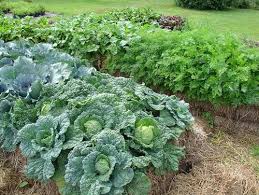
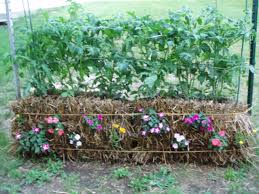
 

Straw Bail Garden's are  great for planting in small areas or areas that don't  have soil. You will need to prep your Straw Bale Garden. The good news is that it will only take 12-14 days to prepare.
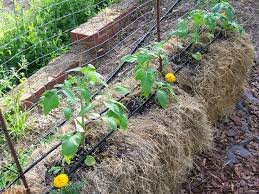
The great news is that if you use Mister Landscaper's DIY Irrigation you won't have to worry about most of the prep work. The first move is to purchase your straw bales and liquid fertilizer, with nitrogen to to increase the decomposition process. The total process takes 10-12 days. 
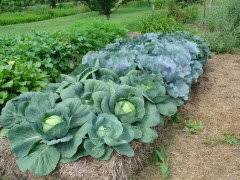
Before you set up your Mister Landscaper DIY Irrigation Kit you want to make sure your straw bale is on it's side with the cut side up. The cut side of the straw bale will act like little straws. This allows the water and fertilizer to soak down into the bale.  Now you are ready to set up Mister Landscaper's DIY Low-Flow Irrigation Kit. This only takes about 20 minutes or less. 

If you order  Mister Landscaper's Timer you can attach it to the end of your hose and you won't  have to water your bales for the next 3-4 days. You will want to set the timer to water often so that it remains damp for the entire three days. On the third day you will start using the liquid fertilizer. For the next 7-8 days you will want to use the liquid fertilizer. in addition to watering.

On day 12 you will want to return to just watering your bale. On the 12 day you will be able to stick your hand down into the bale and feel the heat from the decomposing process.

You don't want to plant until that tempature reaches the same temperature as the outside air.
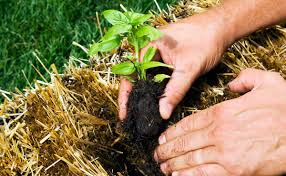
If you plant too soon you will cook your plants. On the TH day you will need to start using the liquid fertilizer. Once the temparture reaches the air temperature it's time to plant.

You can plant anything in your Straw Bale Garden although some plants can pose a challenge. For example, corn and tomatoes grow tall and may cause your bale to tip.
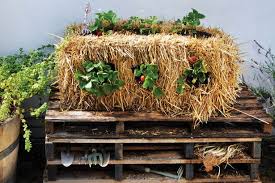
Potatoes grow down and it may be difficult to retrieve them. To plant you will plant the same way you plant in the soil. You want to dig out a hole as deep as your plants root.

Be sure to space your plants according to the directions on the plant. Add some soil around the plant to stabiles it then place the straw you removed from the hole on top of that..


Finally you are ready to sit back and watch your plants grow. Don't forget to fertilize the plants once every week or two. Mister Landscaper's DIY Irrigation will take care of the watering.




Sweet Strawberry Love

Nothing says I love you like chocolate! If you are looking for a creative way to tell someone you care about them, this might work.

The one you care about will thank you. If they don't like milk chocolate you can melt, white chocolate or dark chocolate.


For this DIY craft you will need:

1. strawberries (12 or more depending on how many you are going to taste test)

2. 12-20 wooden skewers

3. chocolate melting chips (found at  Walmart or your craft store).

4. wax paper

5. medium size sauce pan

6. Vegetable Oil (small amount  (tbs.) added to chocolate if it gets dry)

7. heave vase of your choice (will need to be heaver to support the weight of your 12 or so chocolate treats.)

8. dish towel

9. filling to place between your chocolate strawberries.(kale, green tissue paper)

Wash your strawberries and pat them dry with the dish towel. Use your wooden skewers to

pierce the green leafy end of the strawberry. Follow the directions on the back of the chocolate candy

to melt your chocolate. Dip your strawberries in the chocolate and place on the wax paper to cool. Place your 

strawberries into the fridge until you are ready to deliver.

Feel free to put your own touch on this craft. You may want to roll the chocolate in you friends favorite candy before the chocolate cools.


Rock Garden Markers

Have you ever said, "What's that sprouting up in my garden?"  

I know I have a time or two.

You won't have to wonder once you finish with your Rock Markers. This is a cute and easy DIY craft that you will want to share with all your garden friends. You are going to want to start by collecting a dozen or so medium size smooth rocks. If you cant find the smooth ones any rock big enough to paint and easily pick up would do.


The one to the left is a nice rock but it is too big for this garden craft! The one to the right is the perfect size for our Rock Garden Markers. Once you have found your just right rocks you will want to wash them off in a hot bucket of soapy water.

You might just want to drop the rocks in and let them soak for a few minutes. Be sure to wash all the dirt off. If you don't your paint may come off in that area. 

Now it's time to dry off. A large towel would work best. Wrap your rocks up and pat pat pat! Allow them to dry over night to be sure no dampness remains.

Let the fun begin! Go to your nearest craft store and pick out some fun craft paint that works for outdoor crafts.

You may want to think about what you want on your rocks before you pick out your colors. Once you have your design in place pick out your paint and paint brush. You will want to spread out newspaper on your surface before you begin.

This craft can get a little messy depending on the age group. :)

Ones your art is finished you may want to cover it with a gloss finish. This can be found at your craft store or Lows.

Happy Painting!


Butterfly Feeder

 Are you missing the butterflies in your garden?

With this easy DIY craft you will soon be able to enjoy watching butterflies flutter from flower to flower.

You will need:

1. Mason jar

2. lid

3. small sponge

4. strong string

5. sauce pan

6. sugar

7. bright craft paint

8. garden stickers

9. hammer

10. 1 nail

You will want to start by tapping a small hole through the top of your mason jar lid. Next you will cut off a piece of the kitchen sponge and wedge it into the hole. This is where your butterfly will feed.  Next you will want to test your jar to make sure the liquid does not leak out. For now you can add water and turn the jar upside down to make sure it does not leak. Next you can add the string  that your feeder will hang from. You will need 1 long piece about 6  feet long. this will wrap around your jar near the lid as well as secure the other 2 pieces that will be used to support the sides of the feeder as it sits upside down. Tie the 6 foot string around the ring of the jar so you have an even amount on both sides.

Make sure it is nice and tight. Now you are going to tie 1 end of the 2 foot string to one side of the string wrapped around the jar. Next you are going to tie the opposite end of the 2 foot string to the other side of the jar. This will make a loop over your feeder. Next you want to do the same thing with the other 2 foot string. This time you are going to secure it to the opposite side of where the other 2 foot strings are attached. When you are done you should have 2 secure loops that support the jar evenly on all 4 sides. Now you will need to decorate

your jar so that it will attract the butterflies as well as humming birds. You will want to use bright colors and flower stickers for this.  Finally you will need to make the butterfly food. boil 4 cups water to 1 tablespoon sugar on the stove until sugar is dissolved. Don't use too much sugar it can hurt the butterfly.

Allow time to cool and then add the food to the jar. Secure the lid and hang about 3-4 feet above flowers so the butterflies can flind it. Now its time to sit back and enjoy your new garden friends.


Wind Chimes

 The sound of a wind chime on a cool fall night can be music to the ear.

If you are looking for  a nice and easy DIY garden craft that will continue to give the gift of a beautiful sound then you might want to creat a wind chime.

You can make a wind chime out of just about anything that makes a sound when it bumps into each other.


Different objects make different sounds so you might want to try a few sounds before you beging to create your wind chime.

Materials you may need:

strong string or thin roap

nice thick stick about 6 inches long.

screw driver

small saw

heavy fishing line or thin wire

sand paper

glue

glass beads

cans

paint

old fancy keys

shells

rocks

metal bottle caps

glass

bailing wire

metal pieces

and so on...

This craft leaves a lot of room for creativity. It just depends on the style and sound you are looking for.


There are many neat ideas. If you go to google images and search wind chimes you will see many great ideas.

How to Grow Garlic


Did you know that there are over 450 different strands of garlic? I was excited when I heard the news! It made me start to wonder, "What garlic am I getting in the little jar at my local super market,

Maybe I am missing out on something better?". With a little more research I found that you can go online and order some of the different types of  garlic bulbs and plant them in your own back yard.

garlic is not complicated to plant  and the time to plant is November. After watching a YouTube video I learned how easy planting garlic can be. The video I watched was planting garlic in a raised garden bed.

I learned that it's best to use string to section off your garden into 1 square foot sections. It looks like a over sized checker board. Next you want to peel open the garlic bulb and separate each clove.

You want each clove to be planted about 5-6  inches apart. You will have 4 cloves in each square foot.  The clove will have a little green stem pointing out of one end. This is the side you want  to plant up facing the sun.

The bulbs need to be planted under 2  inches of soil. This will help protect the bulbs during the winter months.

If you live in a very cold climate area  you will want to place some mulch on top of your garlic bed prior to the first hard freeze to  help protect them. By next spring -summer you will be enjoying fresh garlic out of your garden. The greatest part is that you won' have to go to the supermarket to make your next garlic dish.


Preserving Your Pumpkins

I love decorating my house with all the Fall colors. Pumpkins are usually a big part of my Fall decor. I love pumpkins. I just wish they would last longer! Mine tend to rot before the Fall season has ended. This year I have decided to try a few of the 

tricks I have heard about for preserving pumpkins. There are a lot of suggestions out their but it sounds like soaking my pumpkin in bleach water for 10-15 minutes


and then giving it a good rub down with Vaseline might do the trick. I just want mine to last longer. If you are wanting yours to look sharp for the fall season there are a few more suggestions out their. I also heard that they sell

a product that is called Pumpkin Fresh. I guess it works as well. Acrylic spray paint was one of the suggestions for making your pumpkin look great as

well as last a little longer. I hope some of these pumpkin carving suggestions help.

Happy Carving.


Egg Shell Pest Control

I love to bake with my two young children. My daughters favorite thing to do is crack the eggs. She started at 1 1/2 years old. You can only imagine the amount of egg shells I had to dig out and throw away.

She is a lot better at cracking the eggs now that she is almost four.  I was reading about new garden ideas posted on pintrest and I came across a few pages that talked about saving egg shells to use in the garden. This caught my eye.

As I read I found out that you can use egg shells to keep pest out of your garden. Some people let them dry out and crush them into a fine sand like consistency.

Next they place them in plastic containers to be sprinkled around their plants as needed. Others just dig around their plants and throw the cracked egg shells in the hole. The egg shells are used to keep Beatles, fleas, slugs, snails and other pest away. 

I love to use organic any chance I get. Especially when it is something my family will be eating.  If you are looking for more more tips on what to do with your egg shells go to Mister Landscapers pintrest page and punch in growing. You will be very surprised to see how many different ways you can use your egg shells in the garden and around the house.


Growing Pumpkins


As a child I always remember that special time of year spent with my family going to the Fall Festival and picking out the Just Right pumpkin.I must of been a pickey kid because it always took me the longest. I wanted my pumpkin to be perfectly rounded on both sides and the brightest orange out of all the other pumpkins. The best part of the whole experience was getting it home and carving it. I vividely recall the cold, wet, slimey feeling when reaching into my pumpkin to pull out all the guts and seeds.  My dad and brother would help set up a make shif table in our driveway so we had a place to sit our pumpkins as we carved.

The next step was to decide what we wanted our pumpkin to be. This was a challenge. We did not own the best carving tools. Mom would pick up the pumpkin carving kit from the local grocery store. The knife and paper pattern was not easy to work with. We would work for what seemed to be hours carving out our master piece.

Once we were finished we gathered up all our guts and seeds and placed them into a big plastic bowl. I always remember it being dark before we were finished which was perfect because we could light our candels and place them into our pumpkins to display our master pieces for everyone to see when they walked up our long and narrow sidewalk. After a few minutes of gauking at our master pieces and deciding whose was the best we would go into the house and begin the process of seperating the pumpkin seeds from the pumpkin guts. This was a lonf and stickey process. We would lay out newspapers on the kitchen table and place the big plastic bowl in the center. Once we wre finally done we would take half the seeds and spred them out on a cookie sheet to go into the oven.

We liked salt so we were sure to sprinkel  a lot of salt all over the seeds before we put them into the oven. The other half of the seeds we let sit over night and in the morning we would take a small metal kitchen spoon into the back yard and dig little holes placing two-four seeds in each hole. We did not know much about gardening but it worked. The following summer we had mounds of pumpkins growing in our back yard!  It was very exciting to watch them grow every day out our back picture window.

The Fall Garden


The cooler air is on its way. The tips of our corn stocks are golden brown and almost ready for harvest time. A new season is upon us. Our gardens have a few vacancy

and you ask yourself, " what can I plant during the fall season?"

The first thing you need to know is  the average time the first frost will strike in your area. Next you need to know how long your garden plant needs to grow before it is ready to pick.

Some garden vegetables tend to grow better during the cooler months of summer and into the fall months. Broccoli lovers are in luck. On average broccoli takes about 70 days to mature. Brussels Sprouts take 90 days,

Cabbage takes 70 days, Cauliflower takes about 60 days, Lettuce takes about 60 days, Radish takes about 50 days, Rutabaga will take about 90 days, and Spinach will mature in about 45 days.

Depending on what you want to plant each garden vegetable requires some tender loving care. It is best to talk to your local nursery about how to grow your vegetables successfully in your area.

Wishing all my garden friends a happy fall harvest!

Sincerely,

Mister Landscaper